
How to Improve Gas Mileage and Save Money at the Pump
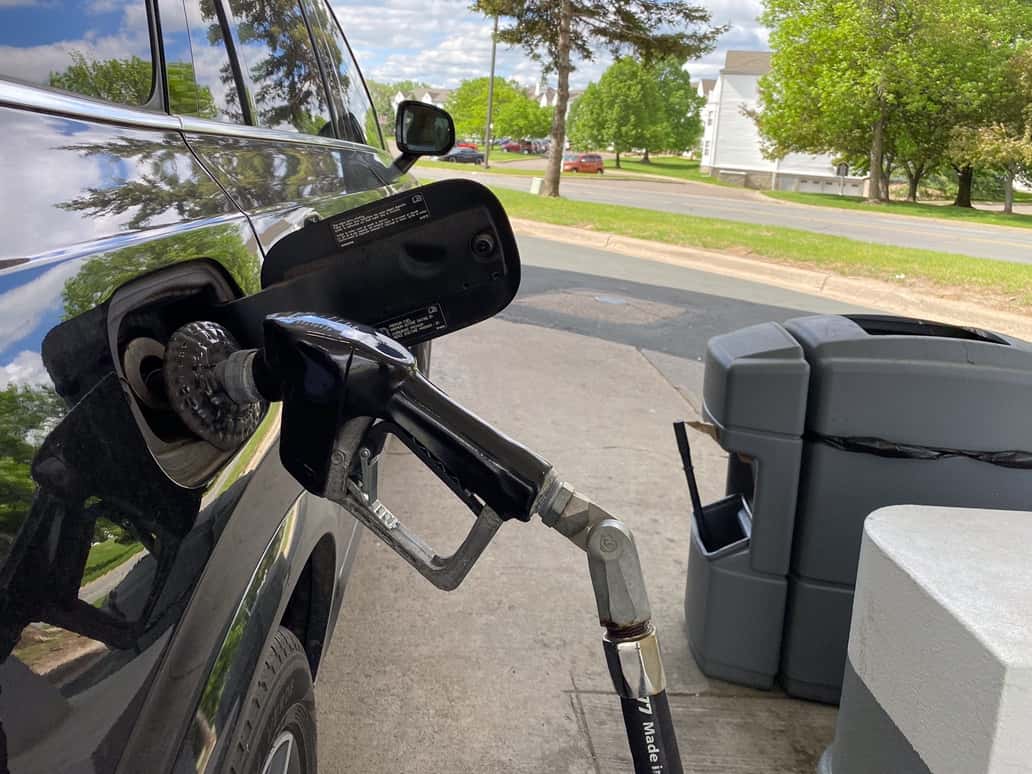
At Spitzer Nissan, we’re committed to helping drivers maximize fuel efficiency and reduce fuel costs. Follow these practical, expert-backed tips to stretch every gallon further and keep more money in your pocket.
-
- Drive Slower – Follow the Speed Limit
- Fuel efficiency typically decreases at speeds above 50 mph.
- Highway speeds over 70 mph can significantly increase fuel consumption.
- Sticking to the speed limit helps reduce aerodynamic drag and improves MPG.
- Drive Smoothly – Avoid Hard Acceleration
- Rapid acceleration burns more fuel than gradual acceleration.
- Anticipate traffic flow to avoid sudden stops and starts.
- Smooth driving can improve gas mileage by up to 30% on highways.
- Use Cruise Control
- Maintains a consistent speed, which improves fuel efficiency.
- Best used on flat highways rather than hilly terrain.
- Reduces unnecessary acceleration and braking.
- Avoid Idling and Rush Hour
- Idling wastes fuel without moving your vehicle.
- Turn off your engine if stopped for more than 30 seconds.
- Plan trips outside peak traffic times when possible.
- Schedule Routine Maintenance with Spitzer Nissan
- Ensure proper tire alignment to reduce rolling resistance.
- Replace spark plugs, air filters, and oxygen sensors as recommended.
- Check for dragging brakes and address warning lights promptly.
- Schedule regular maintenance to keep your engine running efficiently.
- Don’t forget to check our service specials to save more money!
- Use the Correct Type of Motor Oil
- Follow manufacturer recommendations for oil viscosity.
- Using the wrong oil can increase engine friction and reduce MPG.
- Maintain Proper Tire Pressure
- Underinflated tires increase rolling resistance and fuel consumption.
- Check tire pressure monthly and before long trips.
- Proper inflation can improve gas mileage by up to 3%.
- Use the Correct Type of Gasoline
- Use the octane level recommended in your owner’s manual.
- Higher octane does not improve performance unless required.
- Reduce Vehicle Weight
- Remove unnecessary items from your trunk and cabin.
- Extra weight forces your engine to work harder.
- Improve Aerodynamics
- Remove roof racks or cargo carriers when not in use.
- Open windows at high speeds can increase drag—use ventilation wisely.
- Limit Air Conditioning Use
- AC puts additional load on your engine.
- Use it sparingly or at lower settings when possible.
- Park in the Shade
- Keeps your car cooler and reduces the need for air conditioning.
- Helps maintain fuel efficiency during hot weather.
- Monitor Gas Prices Online
- Use apps like GasBuddy or Upside to find lower fuel prices.
- Plan fill-ups around the most affordable stations nearby.
- Use Loyalty Programs
- Take advantage of fuel rewards and discount programs.
- Chain gas stations often offer savings through membership cards.
- Combine Errands
- Plan routes to minimize total driving distance.
- Cold starts use more fuel—fewer trips mean better efficiency.
- Keep Your Tank at Least Half Full
- Helps prevent fuel evaporation and condensation.
- Maintains fuel system efficiency and protects your pump.
- Tighten Your Gas Cap
- A loose or damaged gas cap can let gas evaporate.
- Can trigger your check engine light and reduce efficiency.
- Drive Slower – Follow the Speed Limit
Shop Fuel-Efficient Vehicles at Spitzer Autoworld
Looking for a more fuel-efficient ride? Browse our latest inventory:
Frequently Asked Questions About Saving Gas
- What speed is most fuel-efficient?
- Most vehicles achieve optimal fuel efficiency between 45–65 mph. Driving above this range increases drag and fuel consumption.
- Does using cruise control really save gas?
- Yes, especially on flat highways. It helps maintain a steady speed and reduces unnecessary acceleration.
- Can poor maintenance affect gas mileage?
- Absolutely—dirty air filters, worn spark plugs, and misaligned tires reduce efficiency. Routine maintenance can improve MPG and extend vehicle life.
- Is premium gas better for fuel economy?
- No, unless your vehicle specifically requires it. Using higher octane than recommended won’t improve mileage.
- Do tire pressure levels really matter?
- Yes—underinflated tires create more resistance and reduce MPG. Keeping tires properly inflated improves safety and efficiency.
- How can I reduce fuel use during city driving?
- Avoid aggressive acceleration and braking. Combine errands and avoid heavy traffic times.
- Is it better to idle or restart my engine?
- Restarting is more efficient if you’re stopped for more than 30 seconds. Modern engines are designed to handle frequent restarts.
By following these proven tips, you can improve fuel efficiency, reduce emissions, and save money over time. For more expert advice or to upgrade to a more efficient vehicle, visit Spitzer Nissan today!
0 comment(s) so far on How to Improve Gas Mileage and Save Money at the Pump